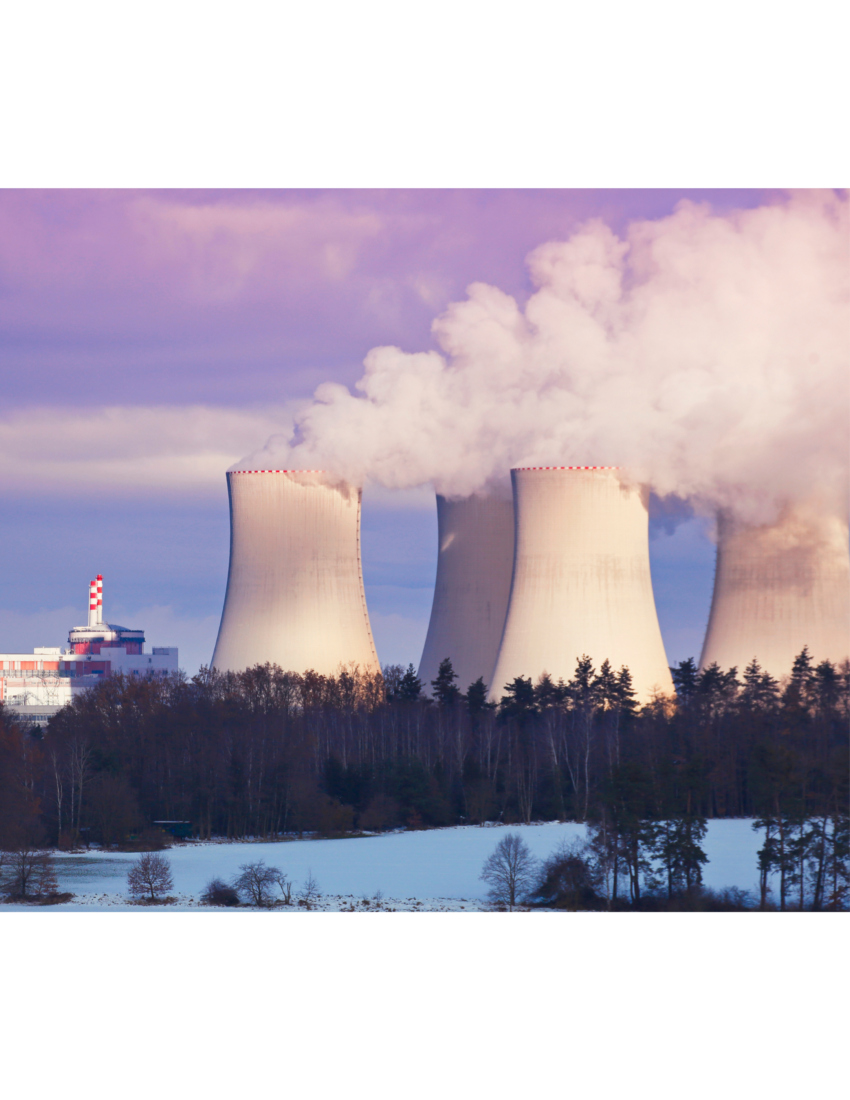
In 2016, New York created the Zero Emissions Credit (ZEC) Program to help keep several upstate nuclear power plants operating. At the time, the program was presented as a 12-year bridge, running from 2017 through March 2029, while the State expanded renewable energy resources.
On June 12, 2026, the Public Service Commission approved ZEC 2.0, extending the program through 2049. Regulators concluded that nuclear power remains essential to maintaining electric reliability and achieving New York’s clean energy goals.
What does this Mean for Consumers?
The extension means New York electric customers will continue funding the ZEC program through charges embedded in electric rates. These costs are collected by utilities and ESCOs and ultimately passed through to consumers.
The actual cost impact is difficult to predict because the program includes several mechanisms designed to reduce ratepayer costs, including:
Lower ZEC payments when wholesale power prices rise.
Federal Nuclear Production Tax Credits that offset program costs.
Voluntary sales of ZECs to third parties, with revenue used to reduce charges to consumers.
Periodic reviews beginning in 2033 to evaluate program costs and market conditions.
The Bottom Line:
What began as a temporary 12-year program has now been extended for another 20 years. Supporters argue that preserving nuclear generation avoids higher electricity costs and reliability risks that could result from plant closures. Critics view the extension as a long-term subsidy that consumers will continue paying for through their electric bills.
For consumers, the reality is simple: the ZEC charge is not going away anytime soon, and nuclear support costs will remain part of New York electric rates through at least 2049.